Açaí has become internationally recognized, but its story begins in the Amazon region of Brazil.
The environment, agricultural practices and cultural traditions surrounding the fruit are central to understanding what makes Brazilian açaí distinctive.
Rooted in the Amazon
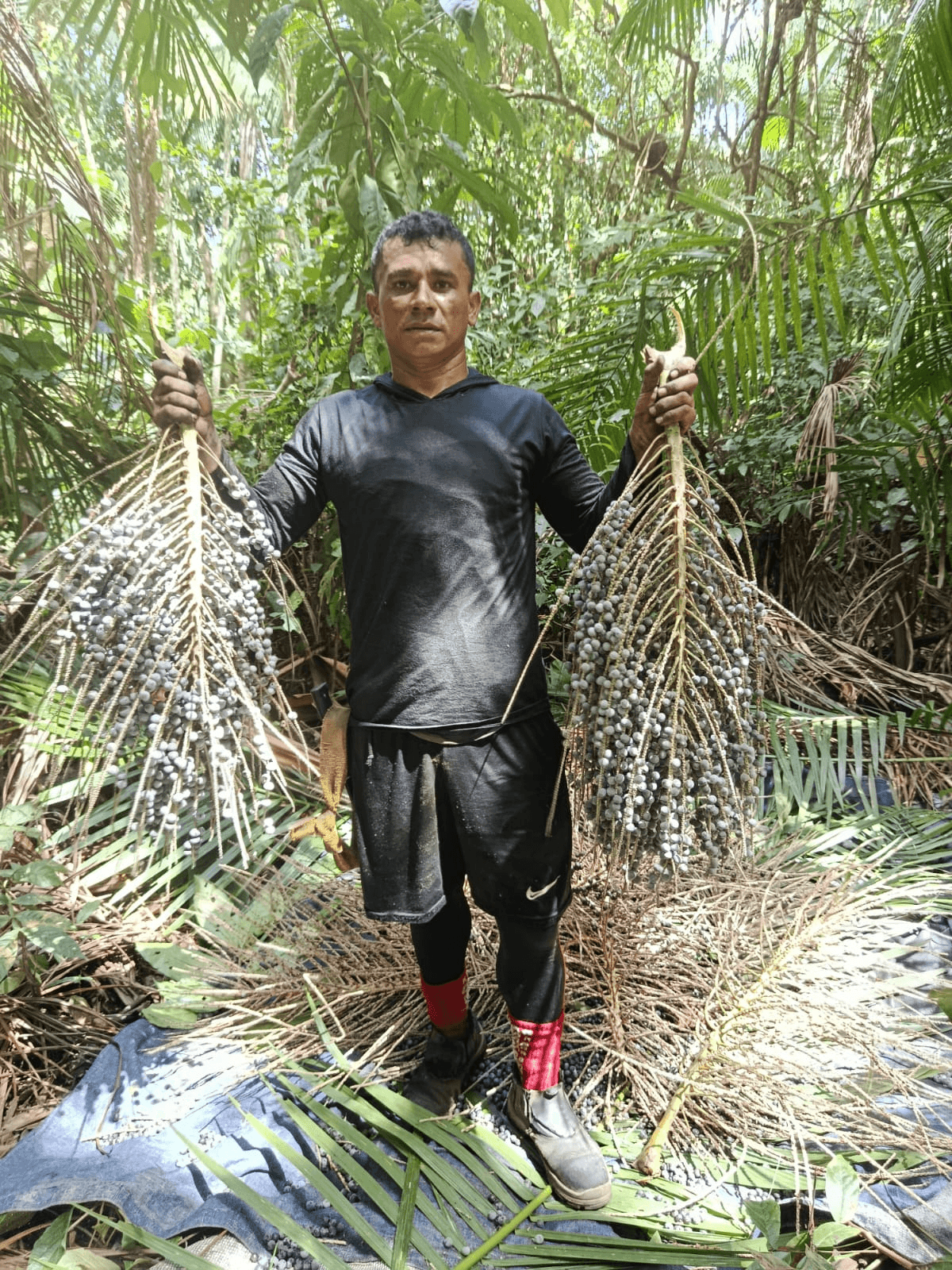
Açaí palms thrive in the humid tropical environment of the Amazon, particularly in areas connected to rivers and floodplain ecosystems.
Pará is one of the regions most strongly associated with the production and consumption of açaí.
A Fruit Connected to Local Culture
The significance of açaí extends beyond agriculture. It forms part of local meals, livelihoods and traditions.
That cultural connection provides context that is often lost when açaí is presented only as an international consumer product.
From Regional Food to Global Ingredient
Modern processing and logistics have allowed açaí to reach markets far beyond northern Brazil.
Frozen pulp, powders and freeze-dried formats now allow different types of consumers and businesses to incorporate açaí into their products.